
What Is American Football?
American football is a team sport played on a large grass or turf field with an oval-shaped ball. Two teams compete to score points by moving the ball into the opponent's end zone (called a touchdown) or kicking it through the goalposts (called a field goal). The goal is simple: score more points than the other team before the clock runs out. Highest score wins!
Football Units
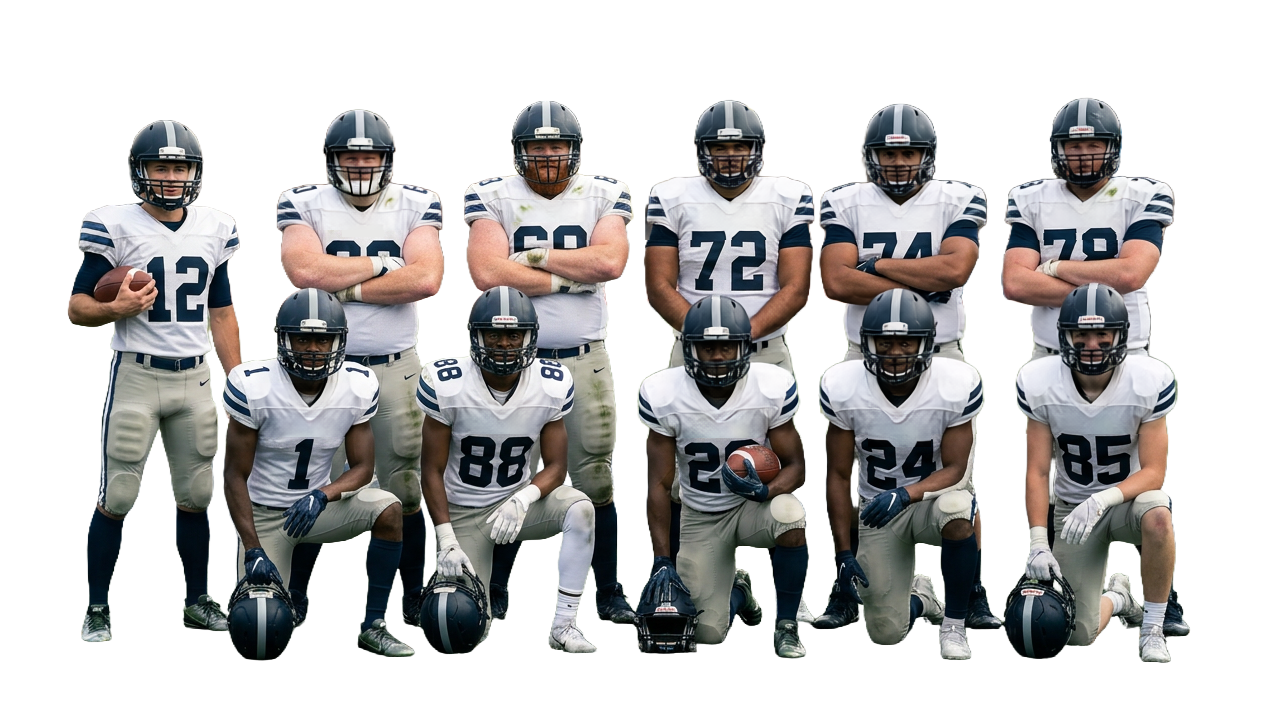
Football is played between two teams of 11 players on the field at a time. Each team has three units that rotate in and out depending on the situation. Tap each one to learn more.
The Field
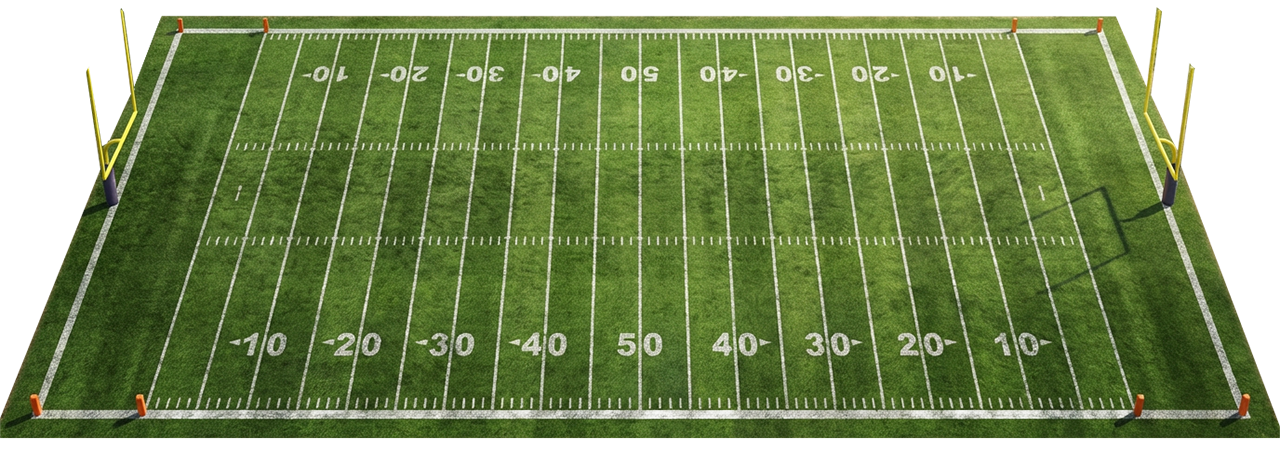
The field is 100 yards long with a 10-yard end zone at each end. Yard lines are marked every 5 yards to show field position.
Football Plays
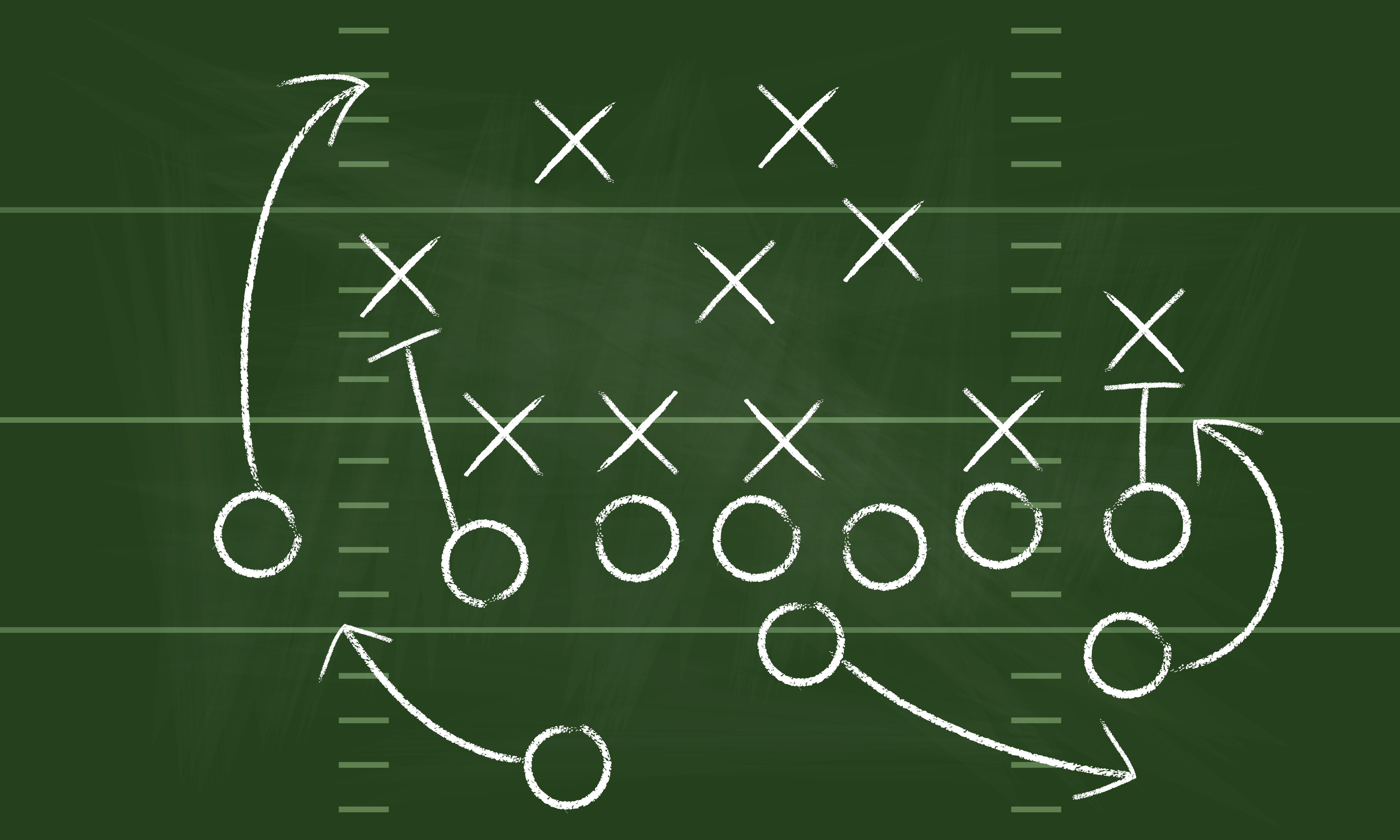
Every moment of action in football is called a play. Each play starts when the center (the middle player on the offensive line) snaps — or "hikes" — the ball to the quarterback. The play ends when the ball carrier is tackled, steps out of bounds, a pass hits the ground without being caught, or a team scores. Between plays, both teams briefly huddle or line up to prepare for the next play.
Downs
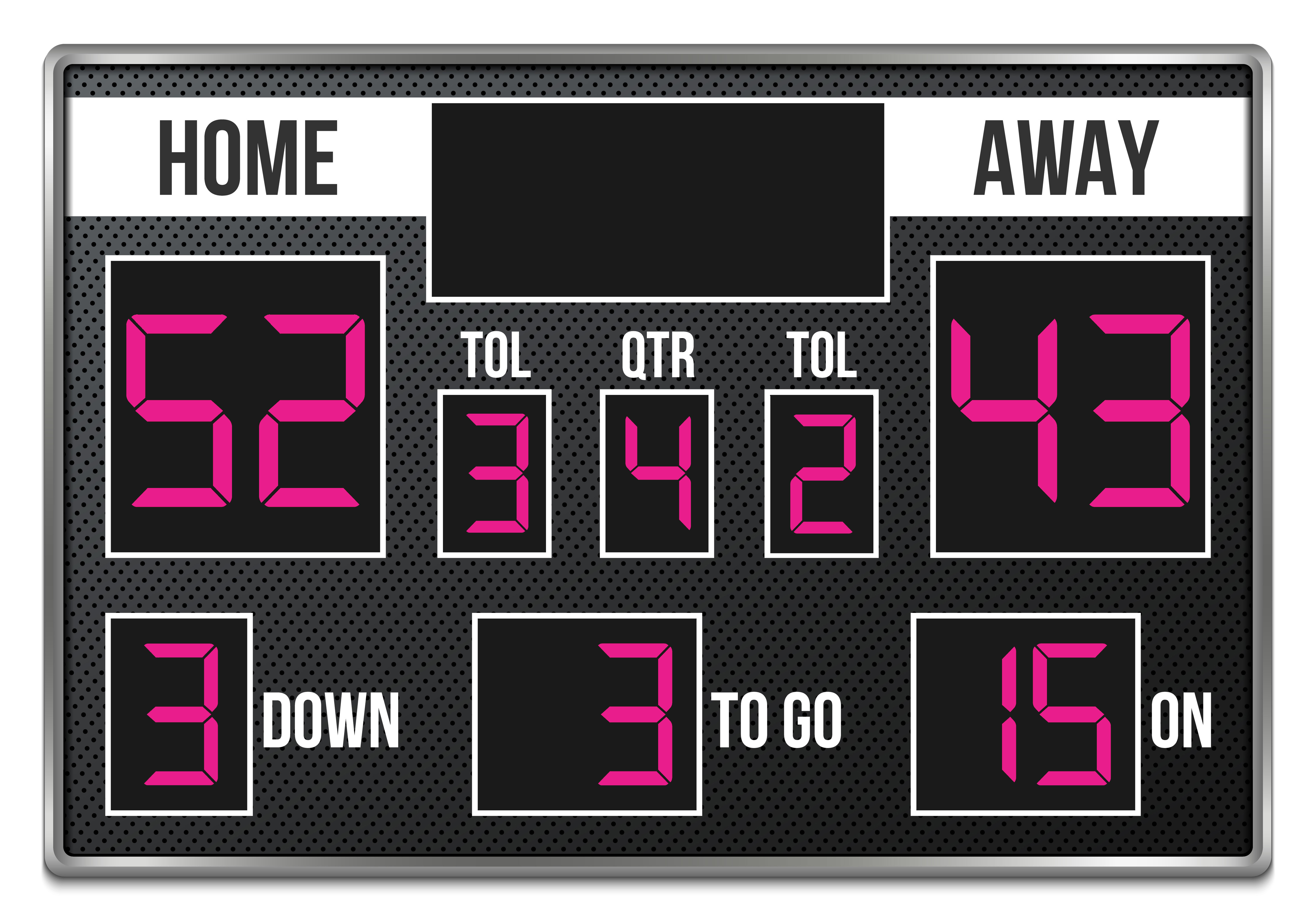
The most important concept in football is the down system. Think of it like four chances to move forward. The offense gets 4 attempts — called downs — to move the ball at least 10 yards. If they gain 10 yards, the count resets and they get 4 more chances. If they don’t make it in 4 downs, the other team gets the ball.
Scoring Points
There are five ways to score points in football. Each one is worth a different amount. Tap any scoring type below to learn exactly how it works!
Game Time
Games are divided into four quarters — the length of each quarter varies by age and level of play (NFL quarters are 15 minutes; youth games are often shorter). Two quarters make up a half, and the long break in the middle of the game is called halftime. Each team is given a set number of timeouts per half.
A timeout is when a coach or player stops the clock on purpose. Coaches use timeouts to talk strategy with their players, make adjustments, or simply preserve time late in a close game.
Football Actions Explained
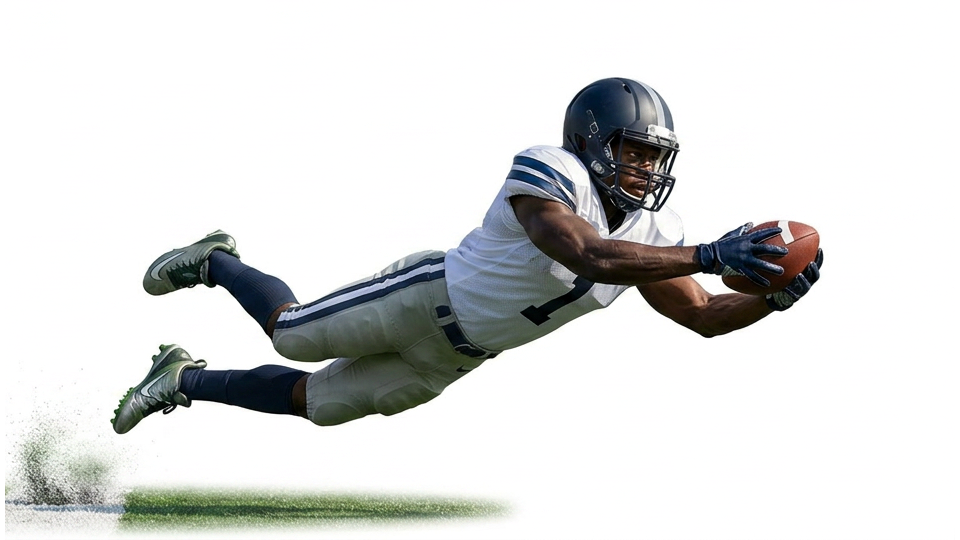
Football has its own vocabulary of terms you’ll hear every game. This section breaks down the most common actions — what they mean and why they matter — so nothing on the field catches you off guard.
Quick Quiz — The Game
Offense Players
Quick Quiz — Team
Common Football Rules
Without rules, football would be complete chaos. Football rules are in place to maintain a level playing field and ensure player safety. Explore the foundation of football and see how the rules make the game we love possible.
Officials
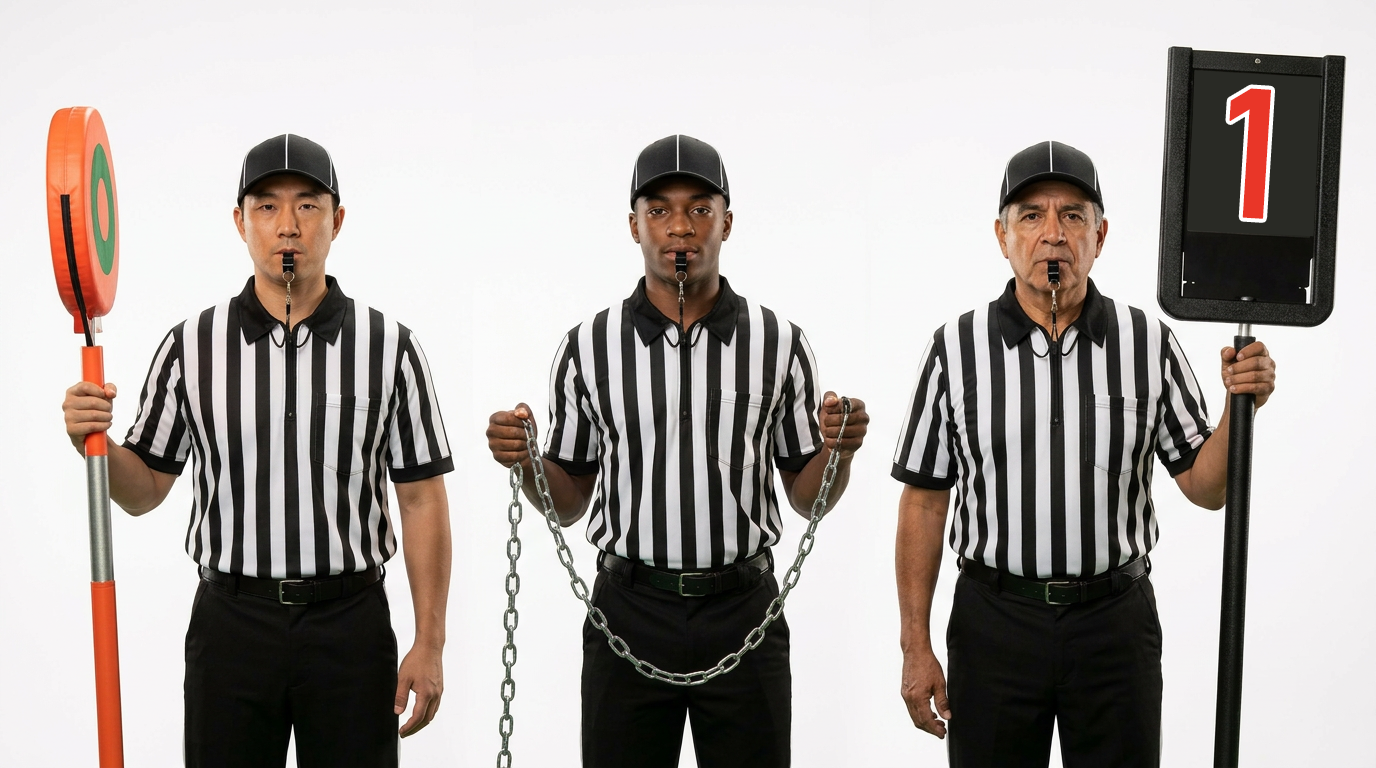
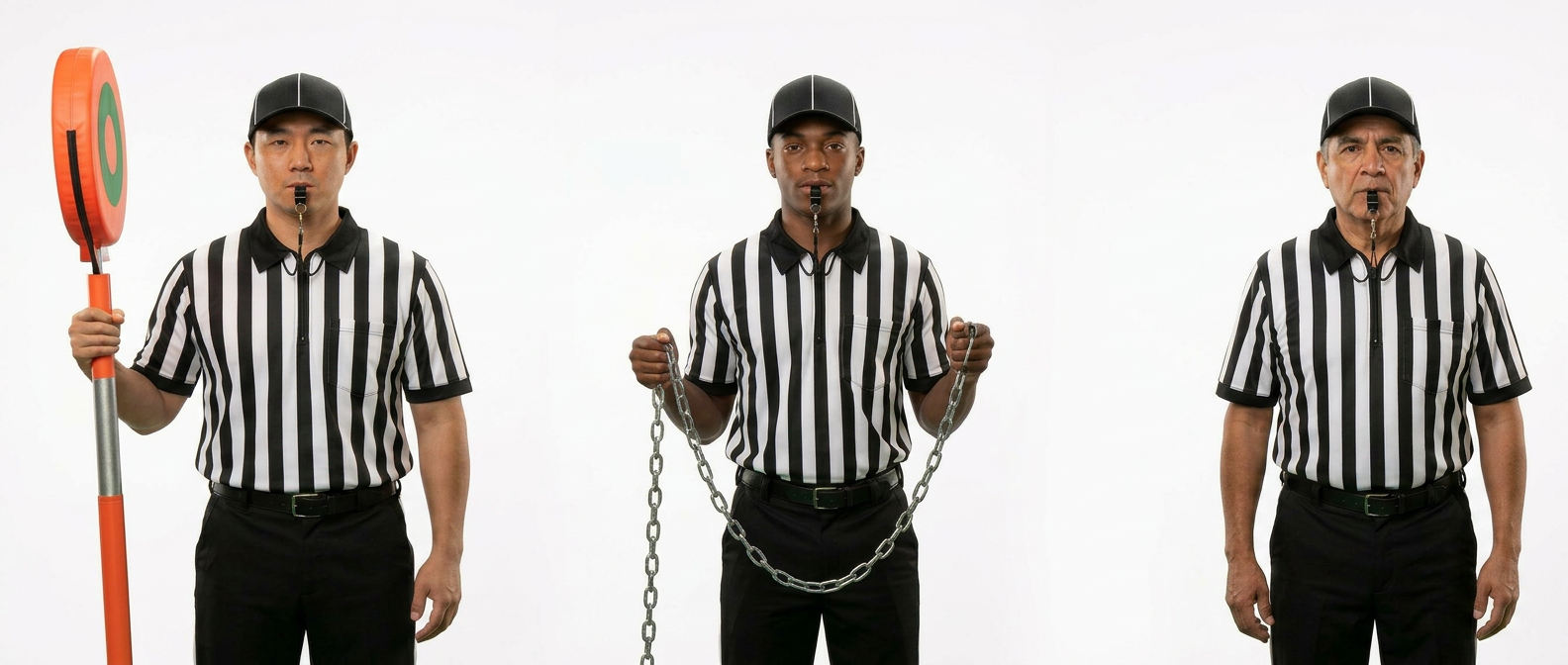
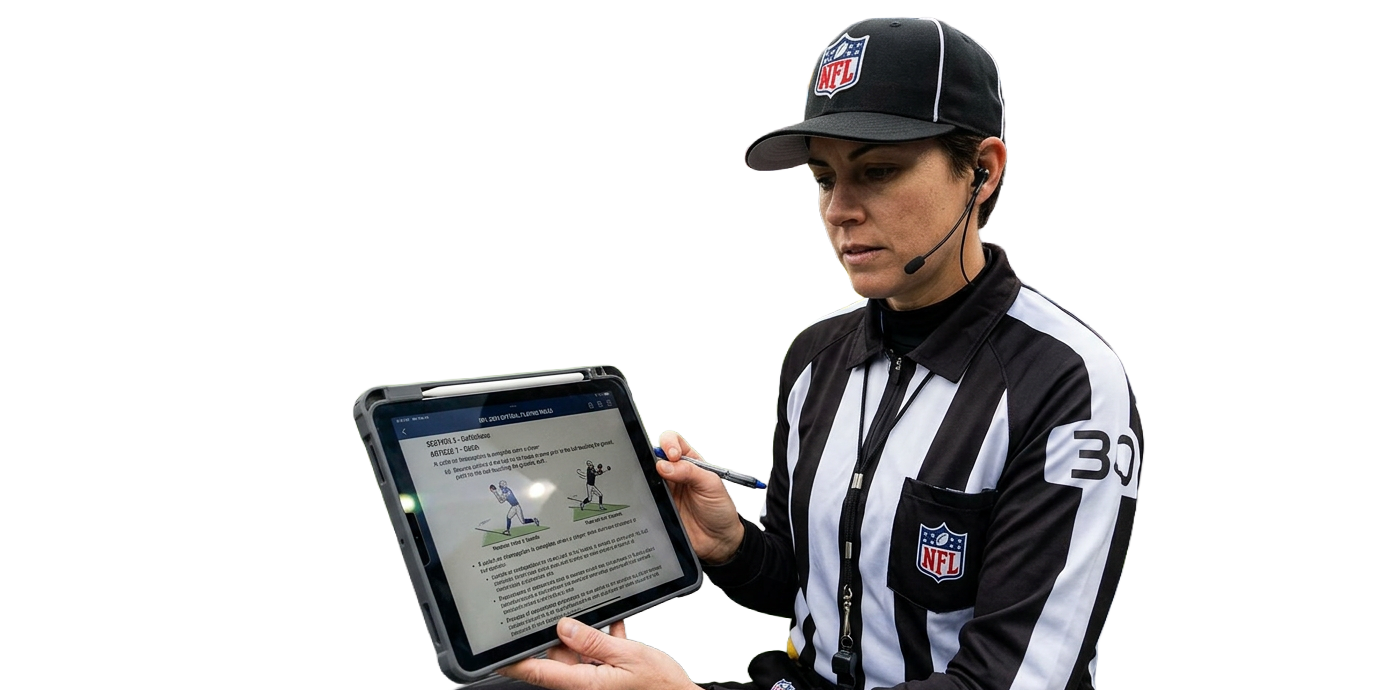
Before diving into the rules, it helps to know who enforces them. Football games are officiated by a crew of officials — commonly called referees — who each have a specific role on the field. They watch different zones and players to make sure the game is called fairly and consistently at every level, from youth leagues to the NFL.
Key Rules to Remember
Football has a long rulebook, but you don't need to know all of it to enjoy and understand the game. These are the most important rules — the ones that come up on nearly every drive and explain most of what you see happening on the field.

What Is a Penalty?
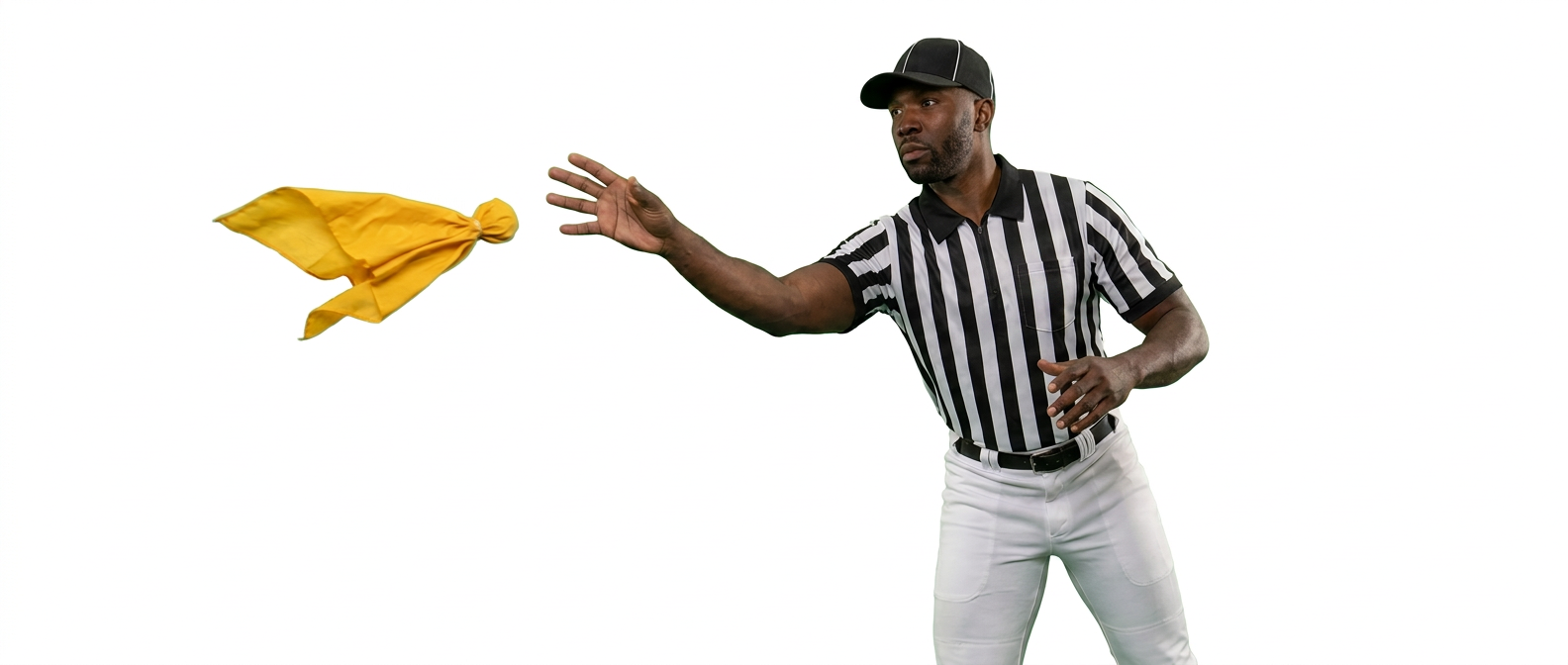
When a player breaks a rule, a referee throws a yellow flag onto the field — that flag is your signal that something happened. The team that broke the rule is usually penalized by losing yards, meaning the ball is moved backward from where the play ended.
The other team gets to choose: accept the penalty (take the free yards) or decline it (keep the result of the play if it was better for them). The referee will announce the call out loud and demonstrate it with hand signals.
Referee Hand Signals
Quick Quiz — Penalties
Offensive Strategy Overview
The offense's goal is to move the ball down the field and score. But it's not just raw athleticism — coaches design specific plays and players execute them based on the score, how much time is left, who's on the field, and what the opposing defense is doing. Every play call is a decision.
Pro Subscriber Content
Ready to go deeper? This section covers the strategy coaches talk about on the sideline — which players are on the field, how the blocking works, how runs are designed, and how passing routes are planned. These are the building blocks behind every play you watch.
Play Set Up
Football plays consist of formations and concepts (passing or running).
Personnel Groupings Advanced
Before each play, the offense puts a specific group of players on the field.
Quarterback Alignment Intermediate
Where the quarterback lines up before the snap sets the tone for the entire play.
Formations Advanced
Formations in football are the way in which players line up for a particular play.
Running the Ball
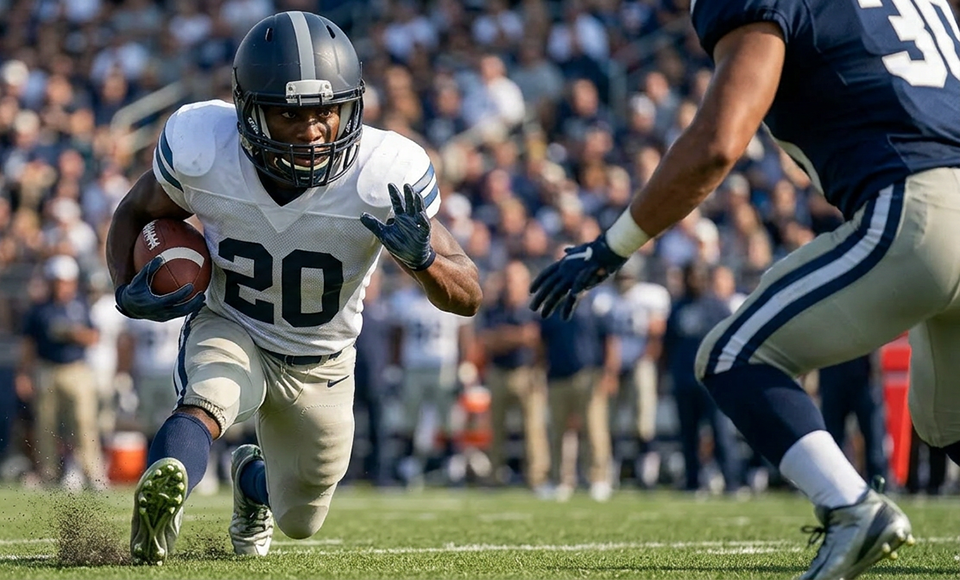
When the offense hands the ball to a running back, the play is designed to attack a specific area of the defensive line. Understanding run holes and run play concepts helps you see exactly where — and why — the runner is headed.
Blocking Intermediate
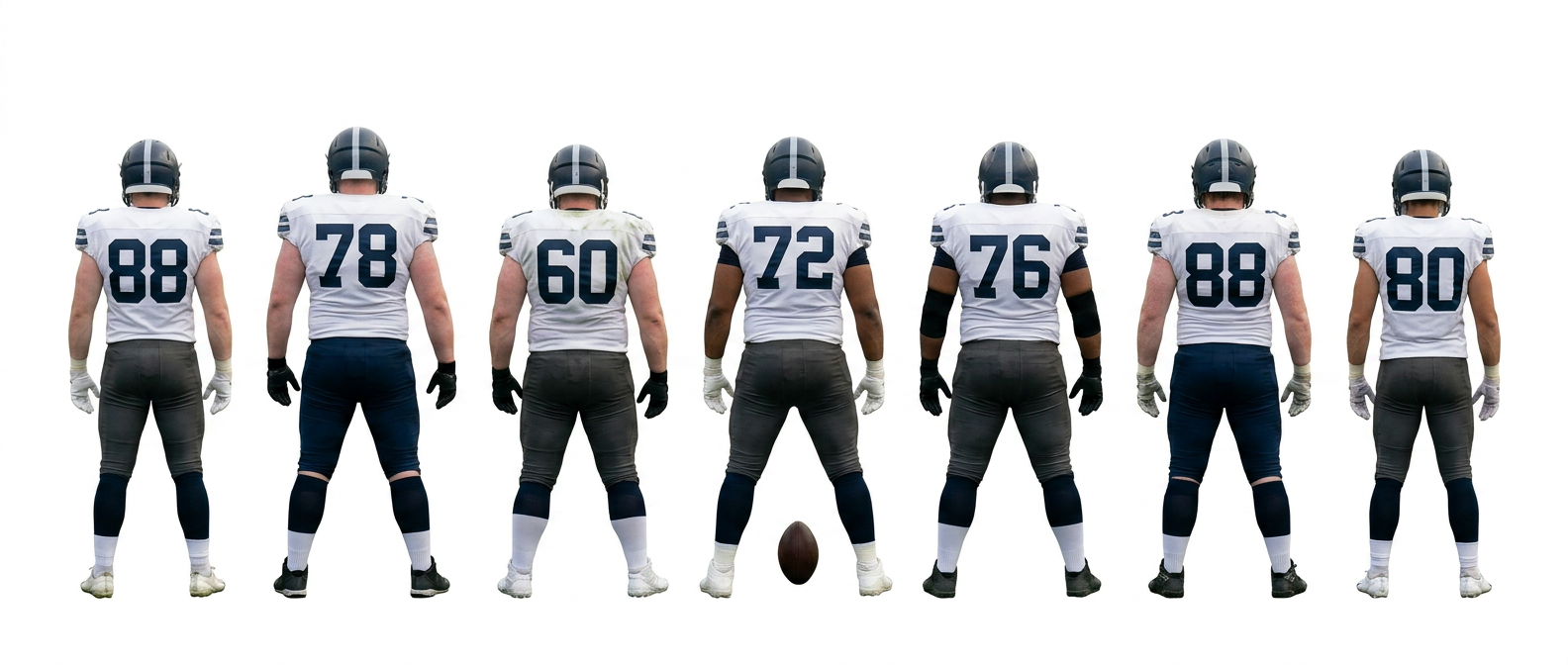
Every run and pass play depends on the offensive line blocking defenders out of the way. There are three main blocking philosophies.
Run Holes Intermediate
Each gap in the offensive line has a number. Odd numbers run to the left; even numbers run to the right. The higher the number, the farther from center.
Run Plays
Every run play has a name, a design, and a specific job. Knowing the play type tells you where the ball is going, who's blocking whom, and why it was called.
Run Play Categories Advanced
The hole number tells you where to run — but the play type tells you how the blockers are going to get there. Tap each type to learn more!
Run Play Concepts Advanced
There are a variety of ways you can run the football.
Passing the Football
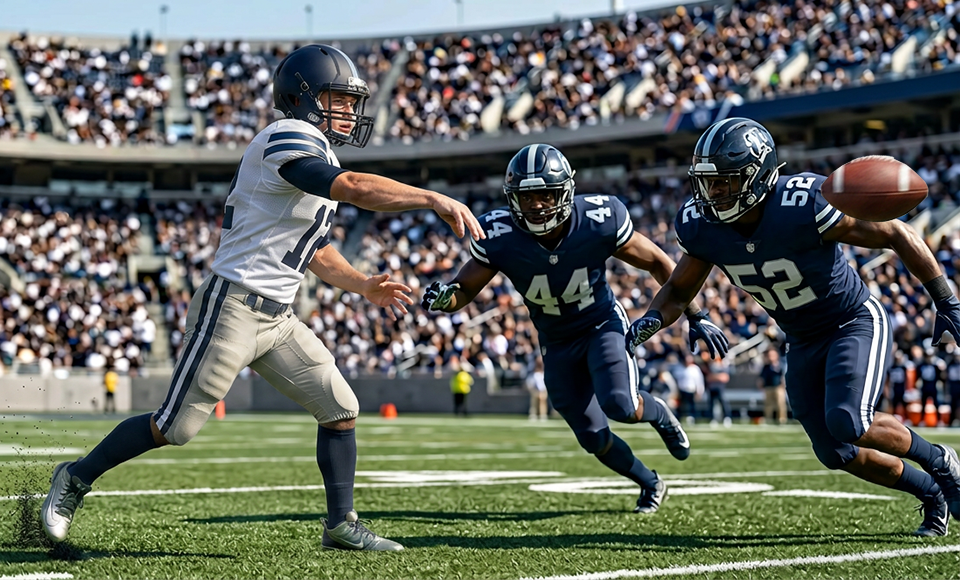
A pass in football is the fundamental action where a player, typically a quarterback, throws the ball to a teammate to catch. The success of a pass and catch is called a reception.
Pass Play Types Intermediate
Routes tell receivers where to go — but the passing concept is how the quarterback delivers it.
Routes Advanced
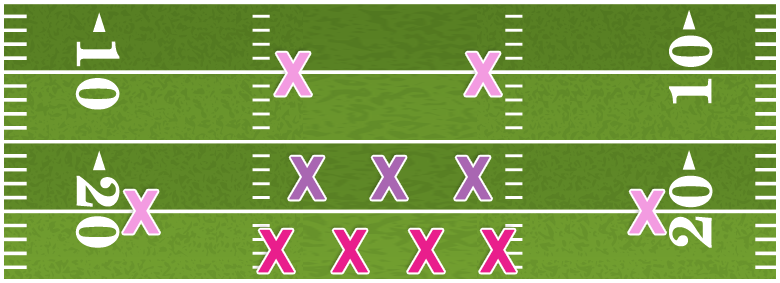
Every receiver runs a specific route — a pre-planned path designed to get them open against the defense.
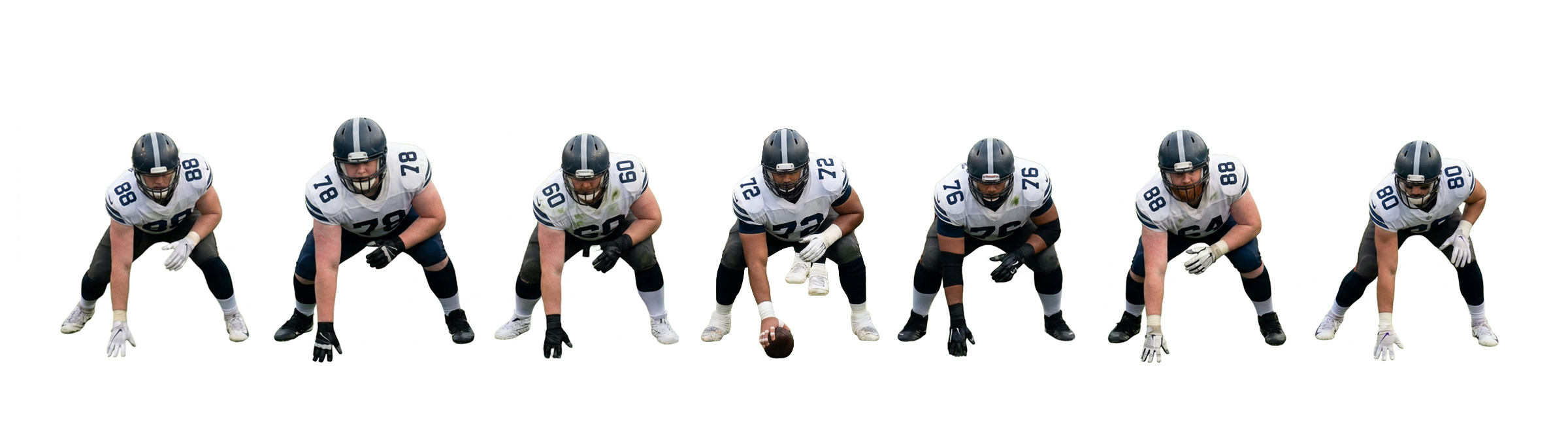
Select a gap to learn more.
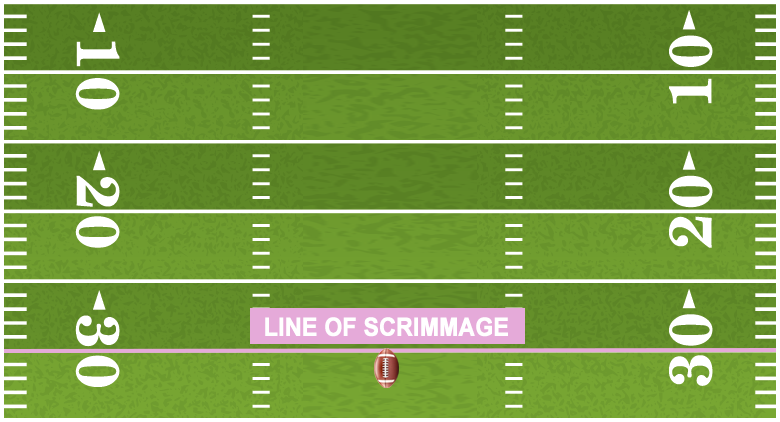
Select a zone to learn more.